𝗕𝗥𝗜𝗚𝗜𝗧𝗧𝗘 𝗕𝗔𝗥𝗗𝗢𝗧 𝗔𝗡𝗗 𝗧𝗛𝗘 𝗗𝗘𝗔𝗧𝗛 𝗢𝗙 𝗧𝗛𝗘 𝗛𝗢𝗡𝗘𝗦𝗧 𝗢𝗕𝗜𝗧𝗨𝗔𝗥𝗬
When death becomes a PR exercise and a dog reminds you of tenderness.

A grumpy man with the personality of a depressed bank manager once called me unfiltered, intemperate and someone with an ungovernable imagination. I should wear those descriptions as a badge of honour. However, sometimes I do censor myself. And occasionally I decide fuck that, the edit button is a lie.
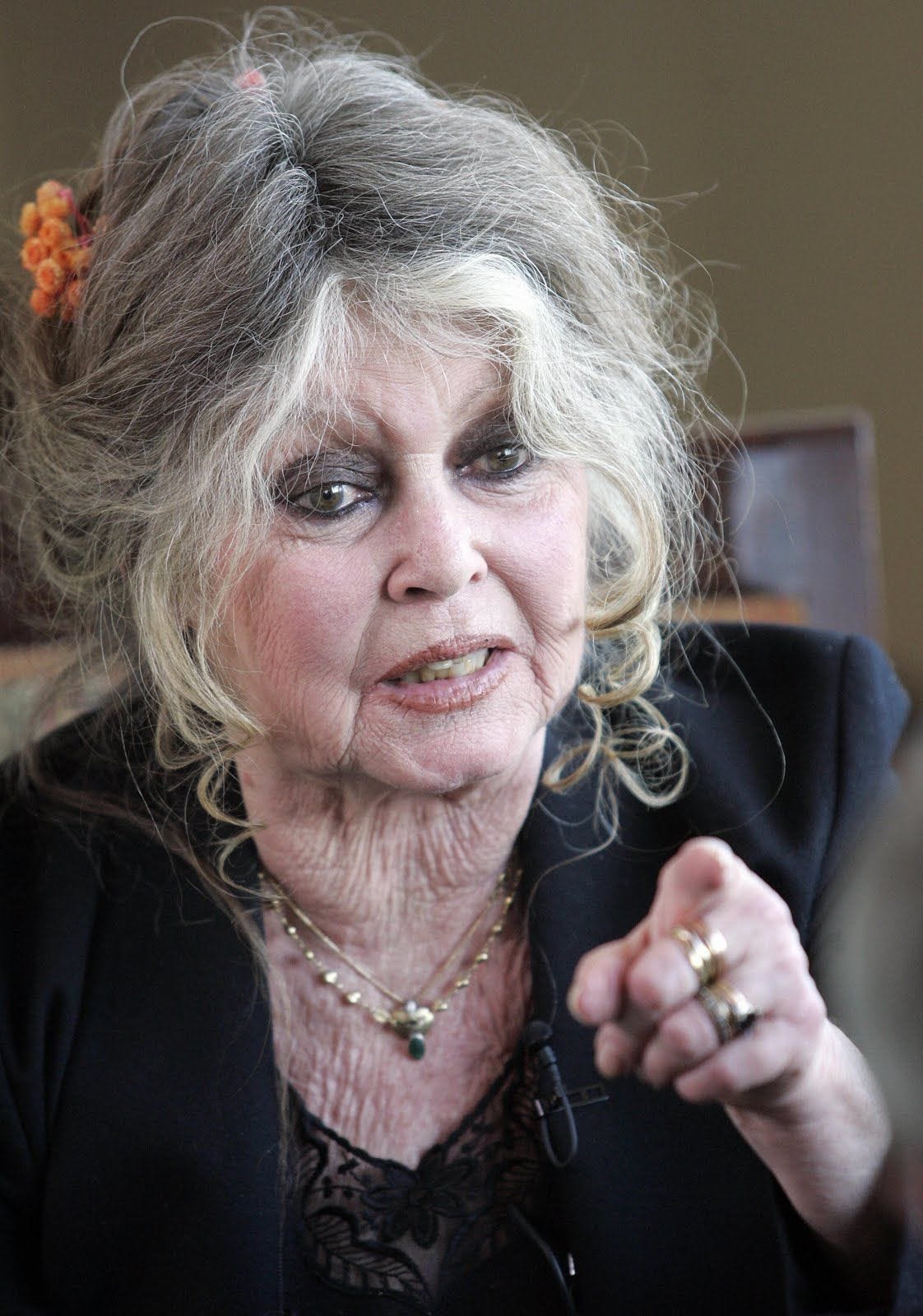
Memory is a strange back-alley, filled with shadow figures. I started thinking about Brigitte Bardot because of a puppy I met called Moose. Tiny. Engineered almost offensively for affection. The sort of creature that disrupts adult conversation, derails mornings, makes people forget their politics. And just like that, Bardot appeared: animal saviour, secular saint, dead on 28 December last year.
It is undeniably admirable to devote a life to a cause. A grand gesture. The kind Donald Trump would call “beautiful” while applauding his own reflection for understanding the word.
But admiration is a wide-angle lens. Zoom in and the picture breaks apart. Who exactly was this woman we were instructed to mourn?
I hesitate to sound like a moral hall monitor, but the syrupy tributes that followed Bardot’s death were less remembrance than reputation management. They revealed what large parts of the media, and a disturbingly compliant readership, now want from obituaries: reassurance, press releases. Not truth.
The obituary used to be a scalpel. Now it’s a cotton-wool wrap. This isn’t only a South African failure, but we’ve perfected the local version: wire copy reheated without curiosity, or entrusted to someone who mistakes reverence for responsibility. An obituary is meant to serve readers, not preserve brands.
Readers are not children. They can tolerate complexity. They deserve it.
I spent a decade writing obituaries for a Sunday newspaper I won’t name. I learnt quickly that South Africans expect the dead to be cleared of their sins by default. Death is treated like an amnesty. Mention that a former and deceased editor of Die Burger ran a pro-Nationalist propaganda paper during apartheid, and people lose their minds. (This happened.)
Which brings us back to Bardot. Her life was polished smooth after death. The rot underneath barely acknowledged. A few vague nods to “controversy”, as though bigotry and cruelty were unfortunate hobbies rather than structural features.
Bardot was a product of bourgeois capitalism. She was exploited by men who understood exactly how profitable her face and body could be. The Bardot phenomenon was a masterclass in selling desire as emancipation, while accountants tallied the francs behind the curtain.
I won’t discuss her acting. I’ve written enough reviews to recognise when silence is the most accurate verdict.
If you want the empty centre of the Bardot myth, look at her relationship with her son. The avatar of freedom and authenticity could not perform the most elemental human task: caring for her own child.
Nicolas-Jacques Charrier was born the year Bardot turned twenty-six. She never pretended to want him. In her 1996 memoir, Initiales B.B., she described her pregnancy as a “cancerous tumour”. After the birth, she wrote of examining her stomach as though sealing a coffin. At a press conference she said she would rather have given birth to a dog.
But then why not opt for an abortion? It was illegal, yes, but illegality bends easily for the wealthy. She could have ended the pregnancy safely. Instead, she chose something else entirely: rejection. That wound does not heal. It borders on the psychopathic to reject your own child.
Her son was raised largely by his paternal grandparents. Bardot later claimed she couldn’t raise him because she needed “support” and “roots”, language that treats a child as an emotional crutch rather than a dependent human being. The self-absorption is almost clinical.
In her memoir she called Nicolas the “object of my misfortune”. He and his father tried to have those passages removed. They failed. The damage was already bound, sold and translated.
This is the feminist icon? A woman who traumatised her child, then converted that trauma into making money out of it?
Then there was the politics. Islamophobia. Xenophobia. Racism. Homophobia. Bardot didn’t drift rightward with age, she planted her flag there. She defended the same reactionary order that had commodified her, mistaking privilege for persecution.
French courts convicted her multiple times for inciting racial hatred. The fines stacked up. She warned of France being “invaded”, of “Islamisation”, of cultural contamination. Old panic dressed in modern fonts. In South Africa we recognised it immediately: Die Swart Gevaar, Die Rooi Gevaar, Die Roomse Gevaar. Same fear, different accent.
Writing about Réunion Island, she described its residents as “natives who have kept their savage genes” and a “degenerate population”. Her homophobia was just as corrosive. She mocked gay men as mincing curiosities with “castrato voices”, dismissed them as sideshow debris. She blamed transgender people for healthcare costs and sneered at the MeToo movement, this, from a woman endlessly celebrated as a symbol of female liberation.
The most dispiriting part is how well the performance endured. Decades on, Bardot is still described as a symbol of sexual and feminist freedom rather than what she was: a luxury object, exquisitely marketed and endlessly resold. She liberated no one.
Perhaps the bitterness of her final years, the bigotry, the isolation, the permanent estrangement from the son she never wanted, was simply the varnish cracking. A person hollowed out by a lifetime of being stared at, never learning how to look back. Not at strangers. Not even at her own child.
The bourgeoisie always circles its wagons. Bardot, for all her theatrics of rebellion, never left the enclosure. She was bourgeois to the bone: beautiful, cruel, vacant.
So, when the next “icon” or “legend”, two words journalism now deploys like sedatives, dies, resist the urge to build another altar. Strip away the airbrushed myth. Refuse the embalming fluid.
Yes, she loved animals. So did Joseph Stalin. He extended far more tenderness to his dogs than to human beings.
Then again, Moose is an adorable dog. Unlike bigoted misanthropes.

Sharp piece on obituary whitewashing. The metaphor of the varnish cracking really captures how time exposes what reputation mangement tries to hide. Spent a year working in archival research and saw this pattern constantly, how institutions would craft hagiographic narratives that collapsed under scrut tiny when primary sources surfaced. The cognitive dissonance around people who do good in one area while causing harm in others is something media still refuses to handle honestly.
Again …love it. Can never understand how people are sanctified when they die . All humans have shadow sides …we all know that. Thank you for the honesty…it is refreshing.