𝐓𝐇𝐄 𝐇𝐄𝐀𝐑𝐓 𝐈𝐒 𝐀 𝐋𝐎𝐍𝐄𝐋𝐘 𝐇𝐔𝐍𝐓𝐄𝐑
The Lexicon of Abandonment.

The loneliness of hordes of inhabitants in Japan borders on an epidemic and may not limit itself to that country alone. Social isolation in Land of the Rising Sun has led to the atrophy of love and human compassion.
Recently I read that you can hire someone in Tokyo, that neon-lit futuristic megalopolis (where melancholy flickers in the streets), to give you a hug. This started in 2012 and remains extremely popular.
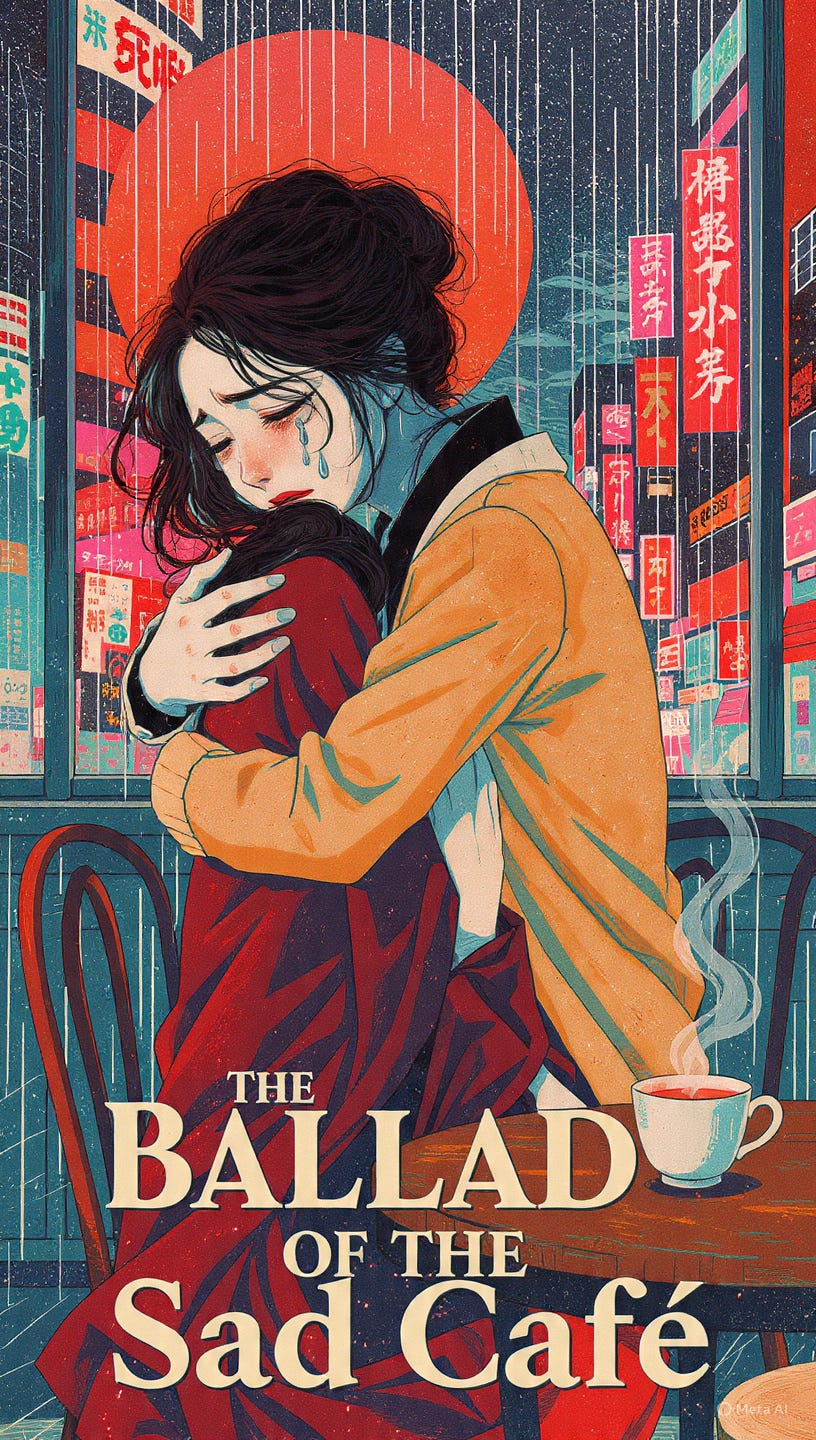
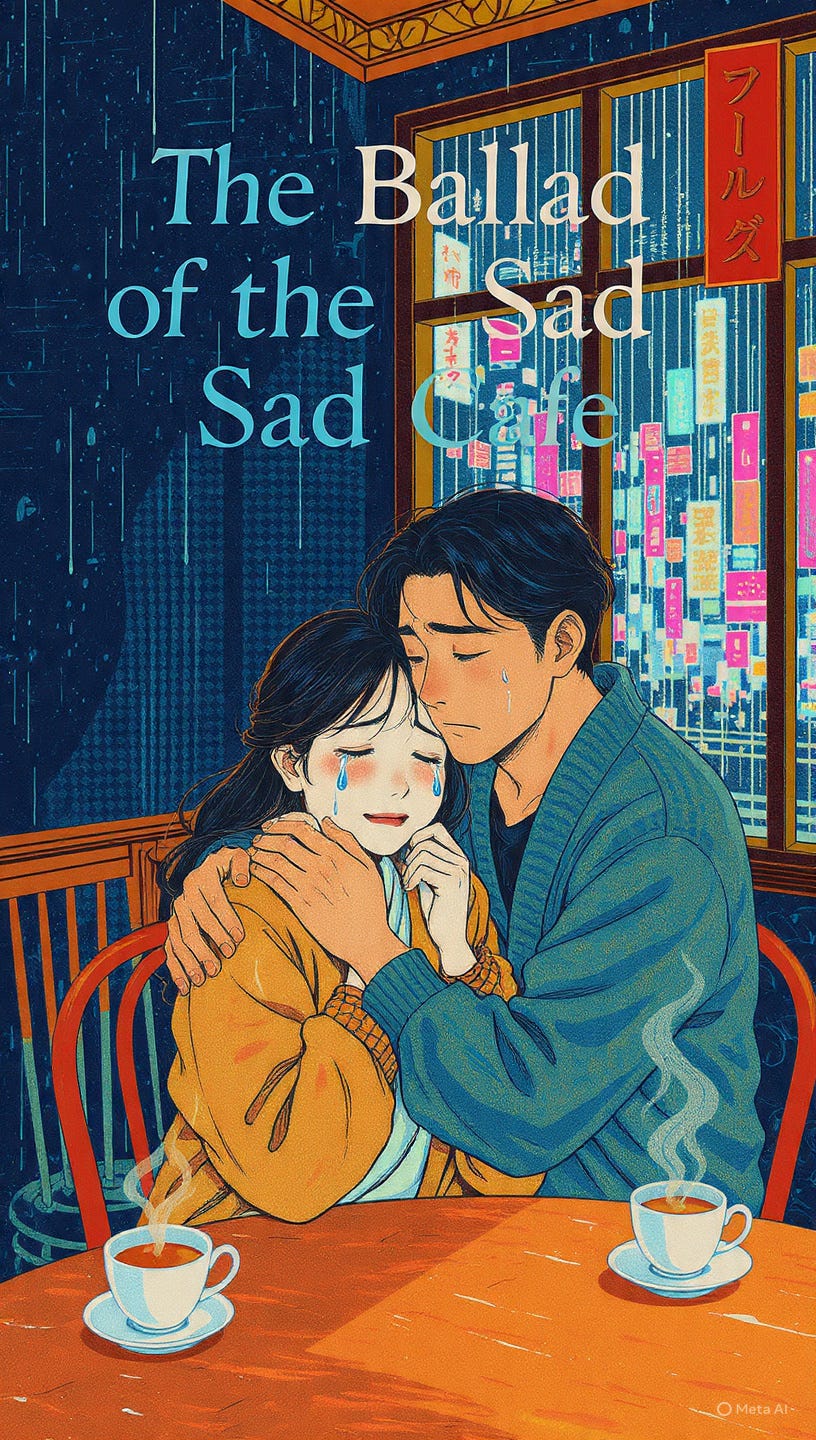
Some inhabitants have become so lonely that they can visit a “cuddle café” for a fee. This proves especially popular in the “electronic districts”. Besides a hug, you can get several other options that don’t just involve embracing. Someone can lightly pat you on the back for 20 minutes, or you can lie with your head on a woman’s or man’s lap for a while.
Then a stranger can rest their hand on your arm for three minutes or you can stare into someone’s eyes for three minutes. All for a hefty fee of course.
One suspects that the next generation, Generation Alpha, who is growing up with more technology than all humanity before them, will fall into a type of world-weariness because physical contact will decrease.
To ward off loneliness in Tokyo, there are “hugging chairs” that you sit in which then simulate hugs. They are called anti-loneliness chairs (shaped like large dolls with arms), and are marketed at older people or those feeling isolated.
Do you want to receive a bit of love from animals? “Bunny-hug cafés” exist for you where you can hold a rabbit while having a drink.
Because it’s too lonely at home and the rooms remain cold.
The effect of being solitary has increased to such an extent in Japan that on February 12, 2021, the government appointed Tetsushi Sakamoto as the Minister of Loneliness.
Around this trend, a series of novel words, a lexicon for the solitary people, has emerged. The 𝐻𝑖𝑘𝑖𝑘𝑜𝑚𝑜𝑟𝑖 phenomenon occurs when teenagers and young people refuse to socialise at all. They stay with their parents.
Some of these teenagers function on a spectrum, but most fear life outside too much. Their escape lies in technology. Certain young people remain in isolation for years, even up to a decade. If you no longer want to go to school, the word is 𝑓𝑢𝑡ō𝑘ō. The algebra of fear.
Incidentally, although the term the 𝐻𝑖𝑘𝑖𝑘𝑜𝑚𝑜𝑟𝑖 phenomenon originates from Japan, this behaviour increases in countries like the USA, Germany, Spain, and China.
The increase in deaths that go unnoticed for years or months carries the name 𝐾𝑜𝑑𝑜𝑘𝑢𝑠ℎ𝑖. It means the lonely death.
Japan’s population has largely aged and with that, countless people have become antisocial for several reasons. Nearly 50,000 elderly people in Japan died alone at home in the first three months of 2025. Some of them die and for years nobody checks on them and by the time they are found they are mere skeletons with clothes folded around the bones.
Ever heard of 𝑗𝑜𝑢ℎ𝑎𝑡𝑠𝑢? About 87,000 people disappeared in Japan in 2019. Gone. Poof! This still happens. While some causes for disappearances relate to health, dementia accounts for nearly 20% of cases, others disappear deliberately.
They might have lost their job, which is a mammoth shame-based occurrence in Japan. The Japanese word 𝑗𝑜𝑢ℎ𝑎𝑡𝑠𝑢 refers to evaporation: you vanish without leaving any trace.
You have vaporised. This doesn’t just happen with individuals; entire families have disappeared without a trace. No one ever hears from them again.
One of the saddest professions exists in Japan. They call themselves “tear sommeliers.” To cry in public in that country remains taboo.
Psychologists, however, believe in the power of tears and the positive psychological effect it has on you. Now people can burst into tears to their heart’s content, and someone comes to gently wipe your tears from your cheeks with tissues.
This sommelier of sadness chooses forlorn music, and the mood becomes dark and sorrowful. Then the drops of salt-grief roll.
They also offer collective sobbing in groups. “The Atlantic” writes: “The audience started sniffling well before the end of the first video, a Thai life-insurance commercial titled Silence of Love, which revolves around a teenage girl and her deaf father.
“By the advert’s conclusion, the sniffling had given way to open weeping. Over the next 40 minutes, as a series of ever sadder selections played, animated shorts, movie clips, YouTube memorials for pet cats, the sobs only grew louder.”
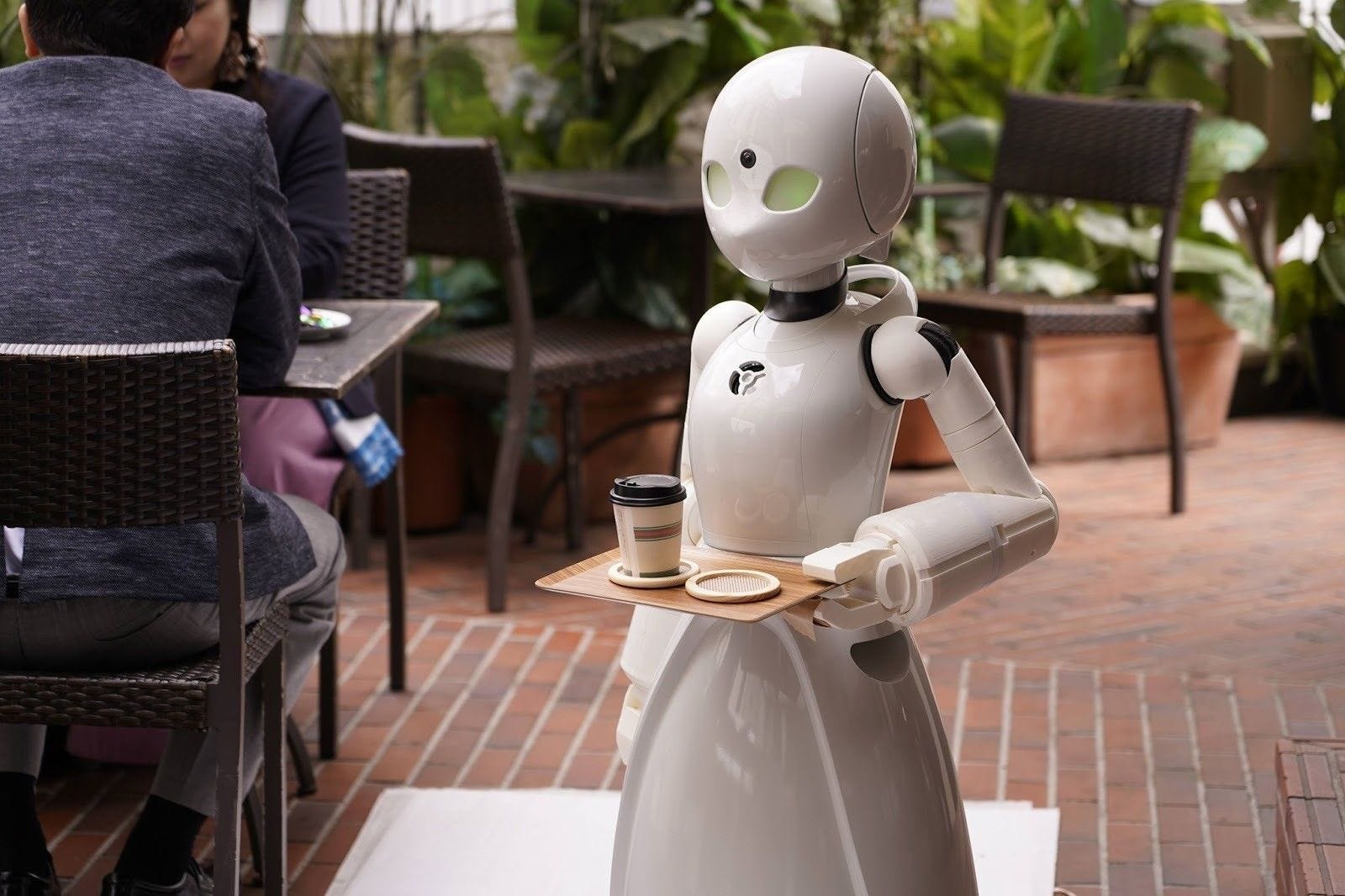
This may all sound eccentric and dispiriting (almost like the atmosphere in Lost in Translation), but could Japan, as the English say, serve as the canary in the coalmine? A few eateries in Tokyo already exist where robots serve you.
How does food taste when no human interaction occurs? How will the robot tell you with relish how delicious the dish of the day tastes, because the owner finely chopped fresh herbs from the garden into the soup?
You also don’t have to strike up conversations with your waiter. Technological progress proves inevitable, likewise humanity’s withering psyche under the burden of cold steel and blue lights that flicker will follows suit.
In the film “Ex Machina”, which takes place on a remote research estate, there exists a robot named Ava. She’s sexy, defiant and she flirts with a programmer, Caleb, who develops feelings for her.
Ava seduces him, he falls for her. One day she climbs into the helicopter that Caleb intended for himself, to take him back home. He looks longingly at her and remains behind against his will to live alone and desolate on the island.
She flies away and arrives in a big city, where she effortlessly blends in with the population.


Kudos to you for doxxing those anti humanitarians.