𝗪𝗛𝗘𝗡 𝗣𝗔𝗩𝗘𝗠𝗘𝗡𝗧𝗦 𝗔𝗡𝗗 𝗣𝗘𝗢𝗣𝗟𝗘 𝗧𝗨𝗥𝗡 𝗖𝗥𝗨𝗘𝗟: 𝗟𝗜𝗙𝗘 𝗜𝗡 𝗔 𝗪𝗛𝗘𝗘𝗟𝗖𝗛𝗔𝗜𝗥 𝗜𝗡 𝗖𝗔𝗣𝗘 𝗧𝗢𝗪𝗡
Struggling through the city streets in a wheelchair is a daily battle against both concrete and indifference.

Yesterday I saw a man in a wheelchair in Cape Town’s Adderley Street battling his way through crowds of people. He was on his own and people simply looked past him and even tried to push him out of the way.
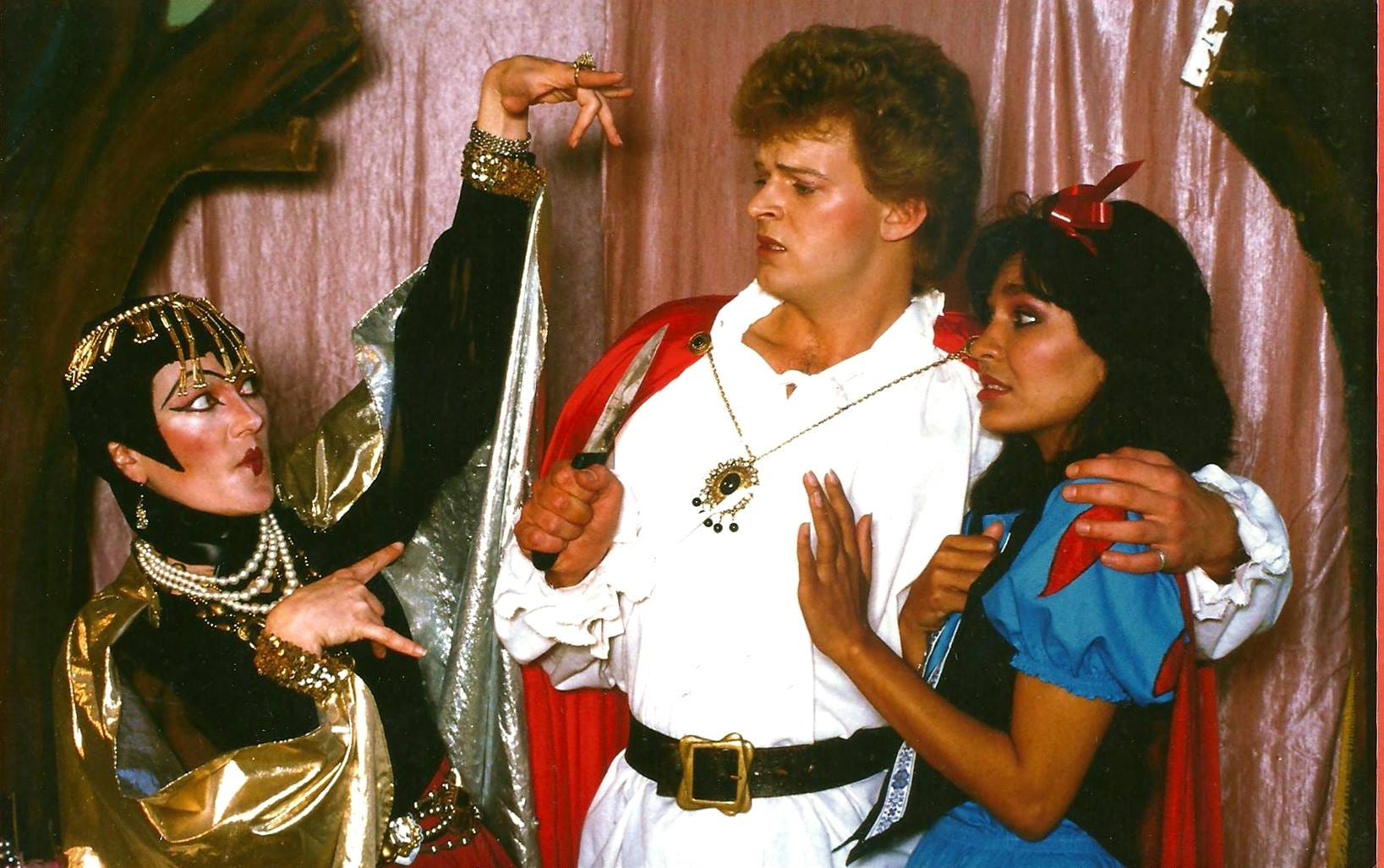
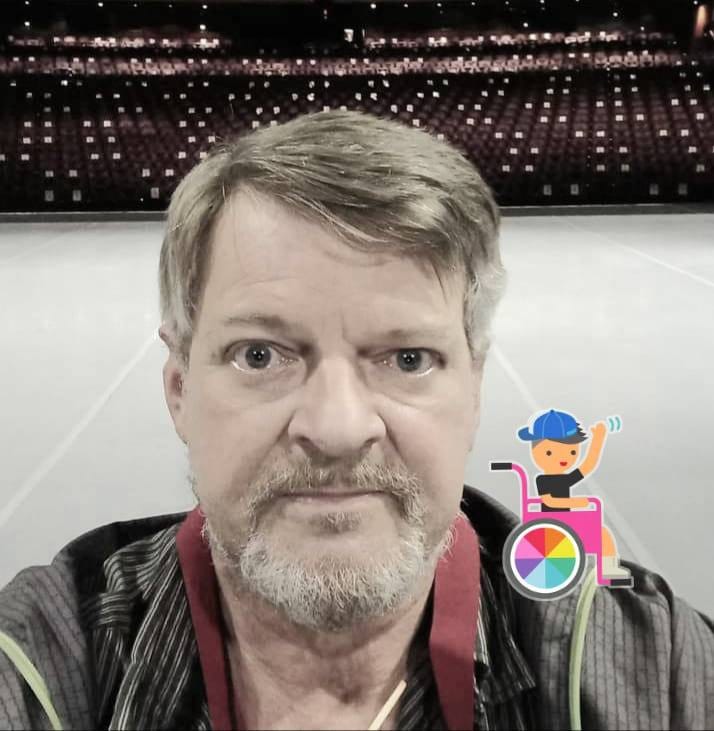
I saw a woman go up to him and assist him. This made me think of the late Alfred Rietmann, an actor from Woodstock, who died recently. He also used a wheelchair.
For those of us who walk freely through our cities, life seems simple. But for people in wheelchairs, every street, every corner, every step can be a barrier.
When Alfred was still alive, I asked him what challenges he faced with pedestrian crowds, transport and navigating pavements in this city. This is his story:
***
One day he woke up and the pain in his little toe was unbearable. He lived with it for a while, but eventually decided to see the doctor. Alfred is diabetic.
The doctor told him to get to hospital; the toe was severely infected. At the state hospital (Alfred decided not to mention the name), they informed him they’d have to amputate the toe.
As a freelance theatre creator, like many others in the creative industries (and most South Africans), he has no medical aid. When Alfred woke up, his foot was gone. Off. Completely.
The doctor then revealed: infection had rotted his entire foot, not just his toe. The shock hit him hard: learning to live without a foot.
Later, back at home, another infection erupted in his leg, right where they’d removed the foot. Back at the hospital, they amputated his leg below the knee.
The wound refused to heal; he blamed the hospital’s appalling hygiene. They didn’t even stock toilet paper, he had to cut newspaper into squares. Once again infection ravaged the stump and they removed the entire leg.
Alfred’s life was shattered. This was 2019. He was 59.
He received no psychological counselling for losing a limb. There was a grieving process, the life he’d known was over.
Shortly afterwards, pain erupted in his other leg. They amputated it, too.
He had to begin a new life in a wheelchair. In his previous life, he’d thrown himself into work on and behind the stage.
He’d appeared in countless theatre productions where he danced and moved with explosive energy. Alfred could dart into a café in a flash, race to the bathroom, jump out of bed at the crack of dawn.
It was in this phase of his second life that he realised how brutal architecture and town planning could be. How concrete and walls petrify you, obstruct you and become living revenge monsters.
He works at Artscape. Although the city’s MyCiTi buses accommodate wheelchairs, the problem begins with the pavements.
They do not all offer wheelchair access to the buses. Furthermore, as in Woodstock where he lives, potholes cause the wheelchair to topple over.
Getting from the MyCiTi depot in the city centre to Artscape also presents problems. Some of the ramps slope too steeply.
Alfred now uses Ubers, but the cost is becoming too much. Moreover, some of them, and Bolt too, don’t offer to help him.
One day it was misty and he was waiting outside his house for an Uber. It started raining hard. When the taxi arrived, the driver gave Alfred one look and drove off. A Bolt taxi has also done this to him.
“The cheek,” says Alfred, “because then they still ask for a cancellation fee. They treat us like dirt. It’s so humiliating.”
None of the cafés or restaurants in and around Christiaan Barnard Hospital, just opposite Artscape, accommodate wheelchairs. If he wants to go to Food Lover’s Market, he can’t enter through the front door; it has a turnstile.
He has to knock at the emergency door at the back for them to let him in. Countless, absolutely countless restaurants don’t provide toilets for disabled people. He doesn’t go to the cinema any more.
When he had to go to Stellenbosch for a production, someone hired an expensive room for him that they had specially designed for disabled people. It proved a terrible experience; he couldn’t reach the microwave and they had positioned the shower taps too high.
“Then there are people who park in our spaces, especially at the Gardens Centre,” he says. One day a delivery person at a supermarket laughed in his face when he complained he couldn’t get out of the taxi because the driver’s vehicle blocked access to the pavement.
The driver had double-parked, calmly lit a cigarette, blew smoke and then laughed at him. “This hostility from people is nothing new,” he says. “It crushes my dignity.”
An alternative to taxis is Dial-a-Ride, which picks up people in wheelchairs. However, they have fully booked their services.
Alfred also doesn’t have the finances to get someone to push him around; he has to manage on his own.
When many people crowd the pavements, they become impatient and bump into him. The trains deny access because the platforms from station to station sit at uneven heights.
“The mere thought of going out fills me with dread,” he says. “Many people in wheelchairs prefer to stay at home. Some become recluses.
“When I was on holiday over the festive season, I didn’t leave the house for a single day. But I’m strong; I won’t let myself be defeated.”
For a moment, a performance in which Alfred appeared flashes through my mind. He acts in Joseph and the Amazing Technicolor Dreamcoat.
The musical ends. He steps forward and bows before the crowd. They give him a standing ovation. And then the lights dim out.