𝐂𝐇𝐎𝐎𝐊-𝐂𝐇𝐎𝐎𝐊: 𝐓𝐇𝐄 𝐋𝐎𝐒𝐓 𝐒𝐎𝐍𝐆𝐋𝐈𝐍𝐄𝐒 𝐎𝐅 𝐒𝐀𝐋𝐓 𝐑𝐈𝐕𝐄𝐑
𝘈 𝘧𝘦𝘸 𝘺𝘦𝘢𝘳𝘴 𝘢𝘨𝘰 𝘐 𝘴𝘱𝘦𝘯𝘵 𝘵𝘩𝘦 𝘥𝘢𝘺 𝘪𝘯 𝘚𝘢𝘭𝘵 𝘙𝘪𝘷𝘦𝘳, 𝘊𝘢𝘱𝘦 𝘛𝘰𝘸𝘯. 𝘐 𝘸𝘳𝘰𝘵𝘦 𝘵𝘩𝘪𝘴.

The muezzin’s call comes from somewhere unseen, long and deep, carrying across rooftops and corrugated iron. It is early. Winter. A fine drizzle falls over Salt River and the streets are busy and wet.
I begin my walk at the Salt River Forensic Pathology Services on Durham Avenue. An old hearse is parked out front. Several more stand nearby. On an average weekend, over seventy bodies arrive here. Three hundred fridges. Mostly full.
The late forensic pathologist Deon Knobel once told me about the families who came to identify their dead. They preferred to be left alone. They spoke to the bodies, touched them. There had been a window once, through which they made their identifications. He had it removed. He disliked the word corpse. It is a body. It is someone’s person. Babies were always the worst. To hear parents scream, he said, was something you never stopped hearing.
I walk on. The muezzin has gone quiet. A breeze moves against the back of my neck.
The cafés along the main road are painted yellow, red, deep blue. Women in headscarves sit on their stoops, smoking. Two generations, some three, in these narrow, long houses. They greet me. Young men pass on skateboards. In an alley, the smell of dagga. Dogs move along the pavement.
Many of the women worked for Rex Trueform for years. Two ex-cabinet ministers’ moms worked here. Philda, mother of Trevor Manuel, worked the factory floor for forty years and raised her children on it. Ebrahim Patel’s mother made clothes there too. The men worked the railways. Salt River station was one of the largest hubs in the city. Two hotels named themselves after trains: the Locomotive and the Junction. The Junction has since closed.
Freda Bond grew up across from the station. When Boswell Wilky came to town, circus staff slept in the carriages. In the 1960s the children called the locomotives chook-chook. You could smell the coal and steam before you heard the whistle.
A man walks ahead of me along the pavement, swinging his arms, shouting at no one: “Give the land back to the Khoi.” Perhaps he has a point. An elderly man in a dirty coat stands rummaging through a barrel. He looks up and glares, then looks away. His eyes are a thin translucent broth.
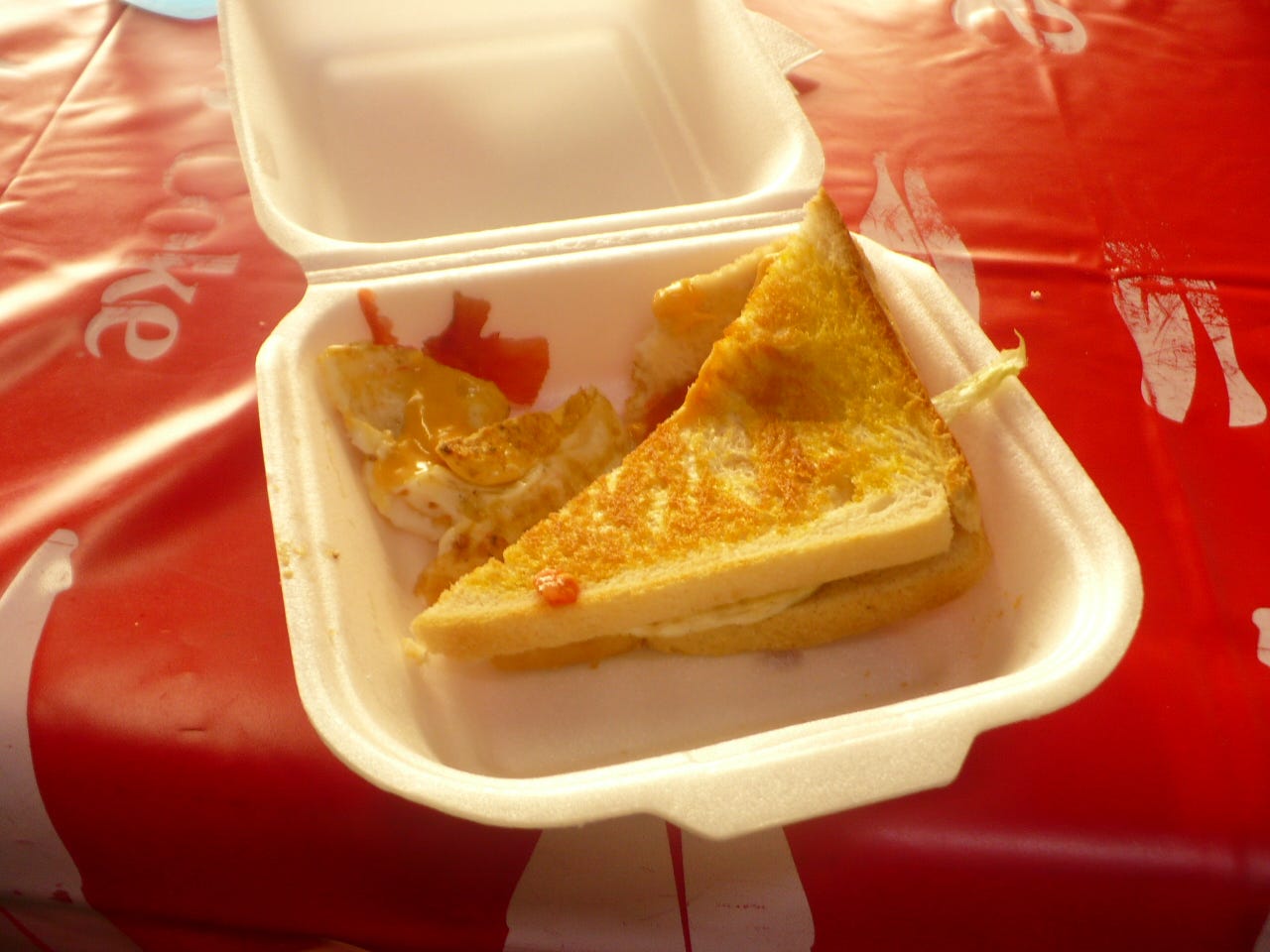
I sit in a small café and eat a toasted sandwich, cheese and tomato and egg, from a polystyrene box on a red plastic tablecloth. A man enters and yells: “I want two men and two moffies”. No one looks up. Everyone stares at their phones. He says it again.
A message arrives. Jani Allan, journalist, has died. Last night, eleven o’clock. She had written to me weeks before: “They tell me I have cancer and I will not pull through. Thank you for your friendship and loyalty over the years. This is so bizarre. I feel like Woody Allen. He said that he wasn’t afraid of dying. He just didn’t want to be there when it happened. If you need to reach me, WhatsApp.”
I sit with my sandwich. My thoughts. The man shouts again. I miss my mother. I cannot say why exactly, except that it is sad, and someone has just died.
The Salt River market has been on the same corner for a hundred and ten years. The same family. Rumina Adams stands among the stalls: oranges, lemons, red and yellow chillies, coriander in bundles. The smell of it mixes with rain and wet tar. Asphalt city.
She shows me something large and pale, the shape of a watermelon. Makataan, she says. People make jam.
She points to a small house just visible behind the stalls. She was born there. Her father built three sleeping levels inside one room; three large double beds stacked for the children. Later they moved to a bigger house.
Her son Imraan approaches with a friendly face. I ask how she looks so young. She gestures at the fruit without a word. A seagull flies over Imraan’s head. He ducks.
Boeta Achmat Bassier is eighty years old and stands on a street corner in a good coat. He speaks with the considered manner of a man who chooses his words. He has lived in Salt River his entire life. Born here, schooled here, married, buried his parents, watched his five children marry.
He remembers three cinemas: the Majestic, the Palace, the Bijou. Double-storey. Coloured people sat upstairs, white people downstairs, though the Palace was mixed. In 1949, the Afrikaans-speaking families on his street, the Truters, Conradies, Van Wyks, packed their things and left.
He excuses himself. His wife is cooking biryani and he needs spices. The whole street already smells of turmeric and cinnamon.
I look toward the old Bijou, shut now for years. I once attended an art exhibition there. Someone had installed a washing machine. If you switched it on, it played “Die Stem”. I wondered then what would become of it. I still do.
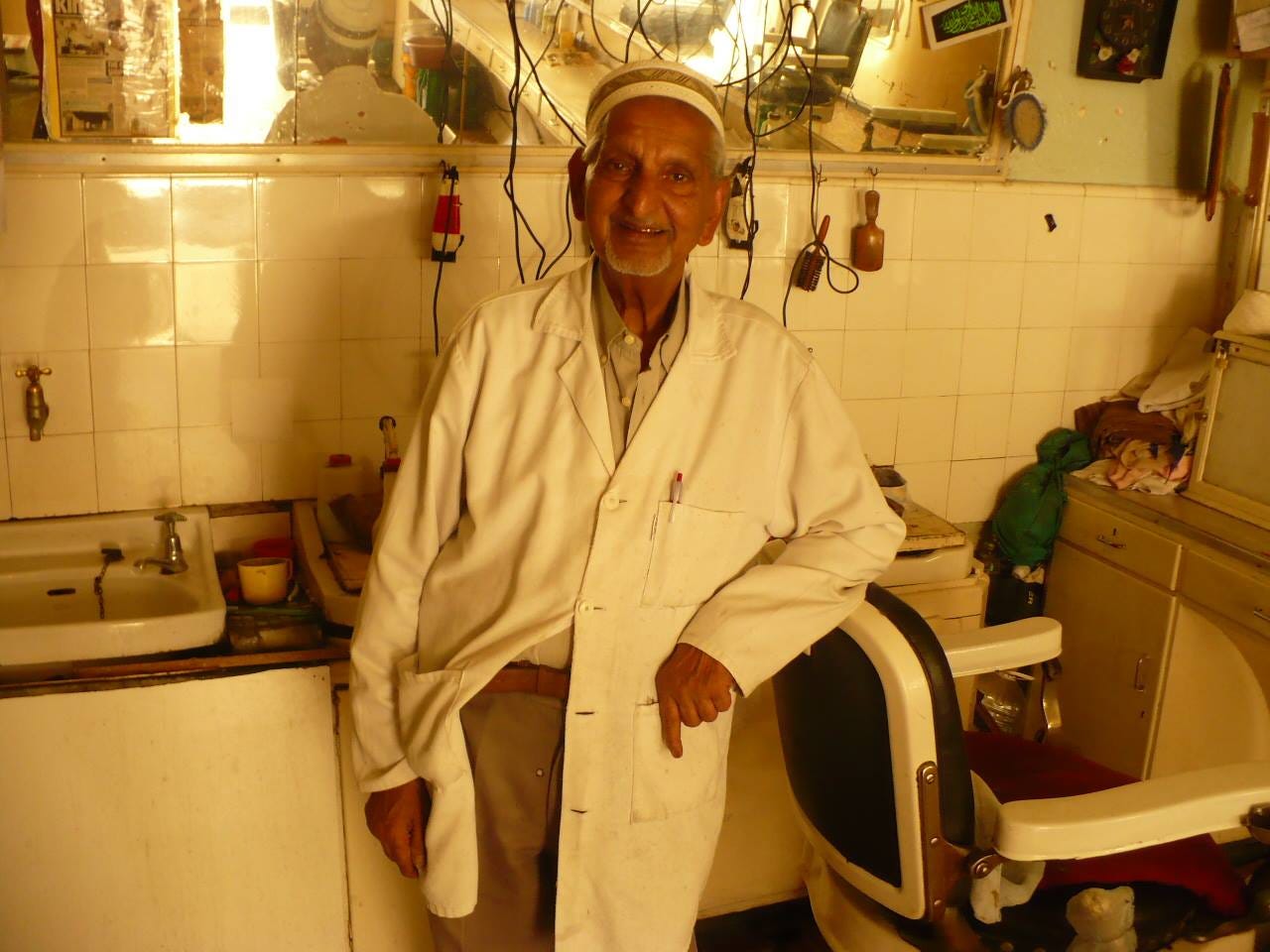
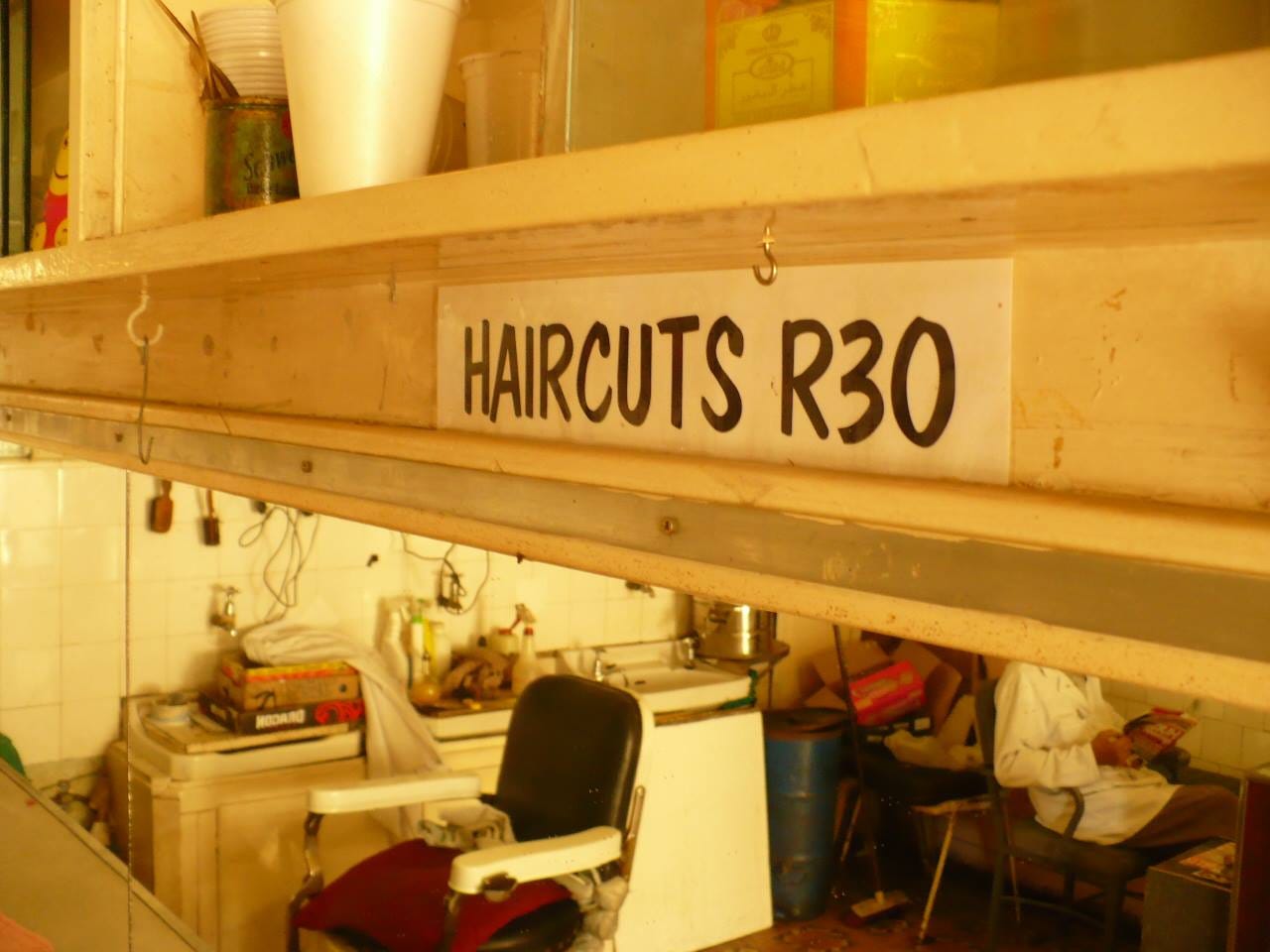
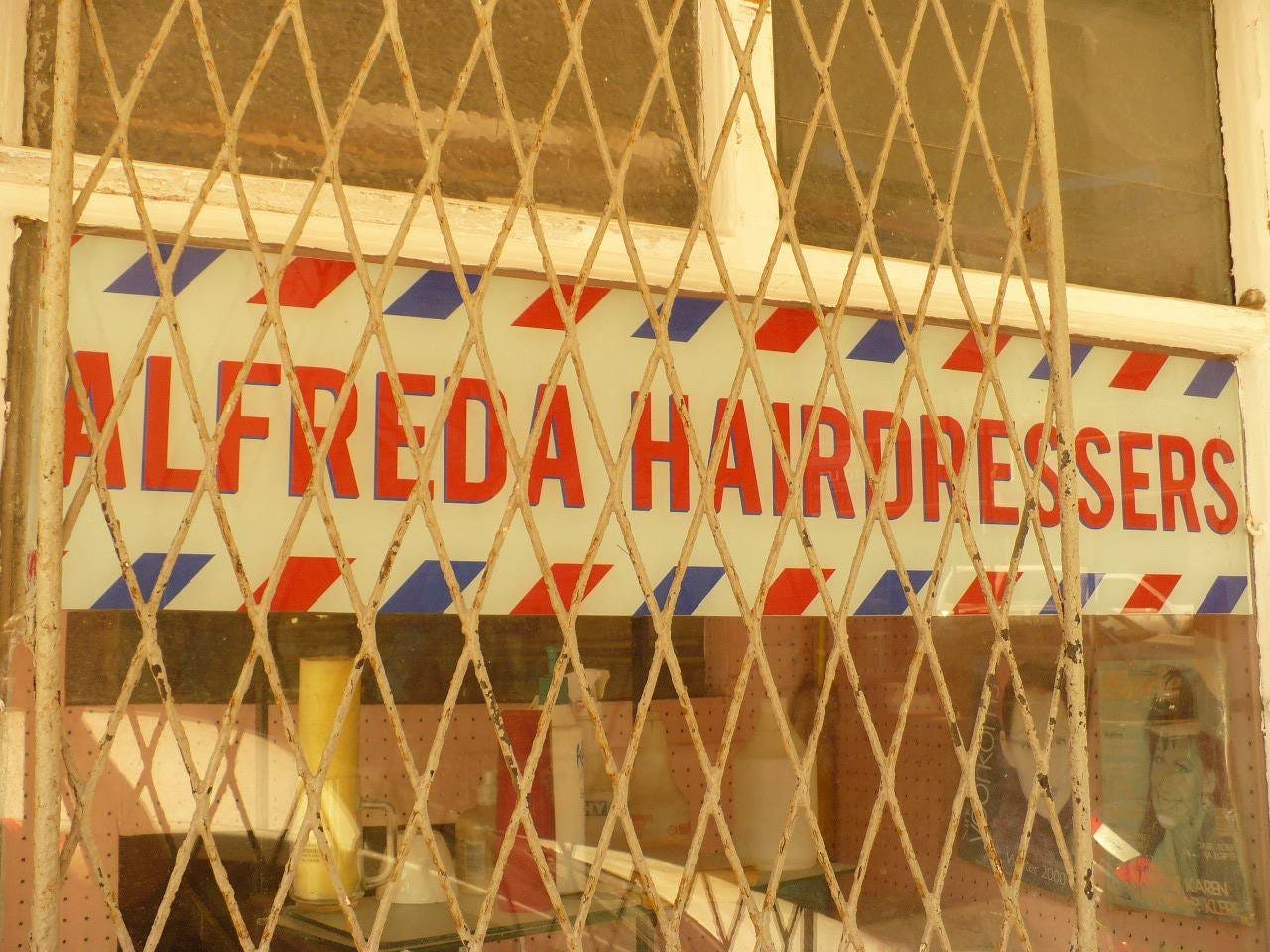
Alfreda Hairdressers has stood on its corner for as long as anyone can remember. Seven brothers cut the hair of an entire neighbourhood, from boyhood into old age, through the same door, under the same smells of talcum and hair oil.
Ismail Valley was the last of them. He cut my hair for years. He told me he was born in the room where he worked. The whole family slept there. They all began cutting hair in their teens. The earnings sent every one of their children to university. Doctors, engineers, academics.
One day I arrived and the door was closed. A woman told me he had died. He was eighty-eight.
I sat on the pavement beside my scooter and wept, because nothing stays the same and every era comes to an end. They don’t tell you that at school, it’s a terrible secret that unfolds bit by bit as your own time starts running out. He was an aristocratic and stately man and Salt River is smaller without him.
By late afternoon my feet ache and I go into the Locomotive Hotel for a double Jack Daniels with two ice cubes. The place is nearly roughly a century old. As a boy, I came here with my mother and her friends on Sundays. A buffet, cheap drinks, a jukebox. Fishermen, railway workers, stokers, locomotive drivers. The women were feisty and loud. The men rough and direct.
The barmaid, Bridget van Neel, has worked here eighteen years. When I take out my camera, she shouts that I need the manager’s permission. The answer is a firm no. She wags her finger. I put the camera away.
A woman beside me at the bar offers me a witpyp, dagga and Mandrax. She has short hair and it seems she has lost the love of her life and he will never come aback. She knows this. I decline.
I go to the jukebox. Five rands for five songs. I stand with my hand above the coin slot and do not put the money in.
Outside, people move along the pavements in the frost, talking to themselves and others in low continuous voices. Nobody stops. Nobody listens. The clouds over the mountain are dim and the light is going.
I think of Rex Trueform, of Jani Allan, of Ismail Valley, of Deon Knobel’s three hundred fridges, of Boeta Achmat Bassier walking home through the smell of cinnamon, of the chook-chook locomotives that shook this neighbourhood awake for decades, of my mother’s voice.
The jukebox plays for someone else. Tina Turner sings: “I can’t stand the rain against my window”. I finish my drink and like an orphan I go out alone into the dark street where I disappear and become invisible.
Amazing portrait!!
Roerend en bittersoet atmosferies.