𝐓𝐇𝐄 𝐍1 𝐂𝐎𝐑𝐑𝐈𝐃𝐎𝐑 𝐎𝐅 𝐃𝐄𝐀𝐓𝐇 𝐎𝐔𝐓𝐒𝐈𝐃𝐄 𝐀 𝐕𝐀𝐍𝐈𝐒𝐇𝐈𝐍𝐆 𝐓𝐎𝐖𝐍
𝘛𝘰𝘥𝘢𝘺 𝘮𝘺 𝘮𝘪𝘯𝘥 𝘸𝘢𝘯𝘥𝘦𝘳𝘴 𝘵𝘰 𝘢 𝘭𝘪𝘵𝘵𝘭𝘦 𝘷𝘪𝘭𝘭𝘢𝘨𝘦 𝘐 𝘶𝘴𝘦𝘥 𝘵𝘰 𝘷𝘪𝘴𝘪𝘵.

I arrived at midnight. On the deserted highway, blue police lights flickered over the road. An ambulance arrived. A large lorry had run over a car. The wagon was flattened. Blood stained the tarmac in dark patches.
The three occupants, I would later learn, were dead. They had been travelling from the Eastern Cape to a major church conference.
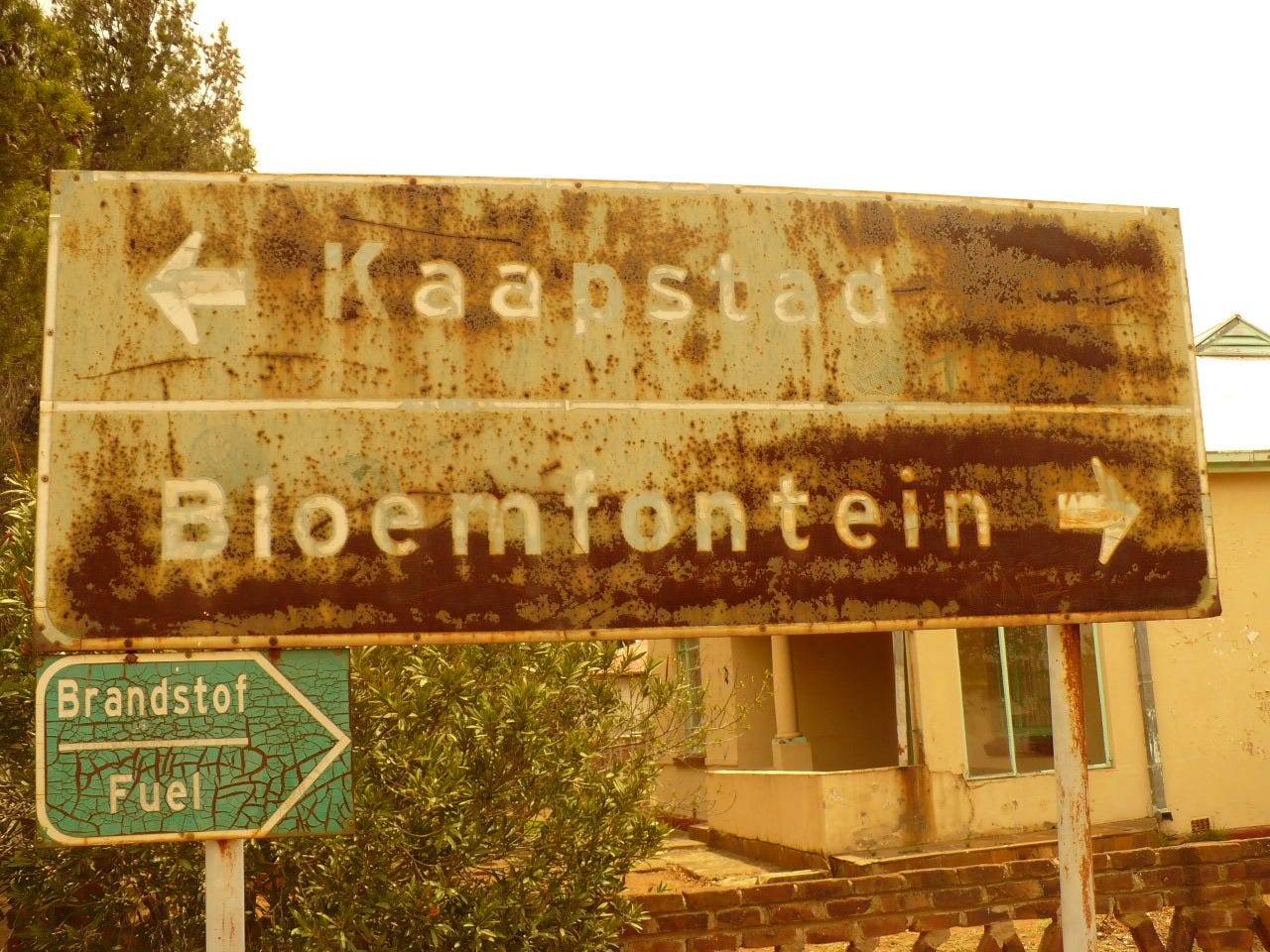
Welcome to Springfontein, where nearly every fortnight there is a fatal collision between lorries and cars just outside town. It is a neglected, isolated hamlet south of Bloemfontein.
For nearly two decades I had visited a friend there, once a year. He owned a chic guesthouse, surrounded by decay. With each visit the village collapsed more and more into abject poverty.
For my first visit I had taken the Greyhound bus, which safely delivered me from Cape Town to the gigantic Springfontein petrol station. Public transport, for this visitor, was more thrilling than travelling by car. You see people and experience things you cannot from the cocoon of a private vehicle. For years I had taken the train, until it stopped running altogether.
The irony: Springfontein had once been one of the largest railway junctions on the main line to Johannesburg. It was where the Bloemfontein line merged with the old East London and Port Elizabeth lines, and where a westward line branched off to other Free State towns.
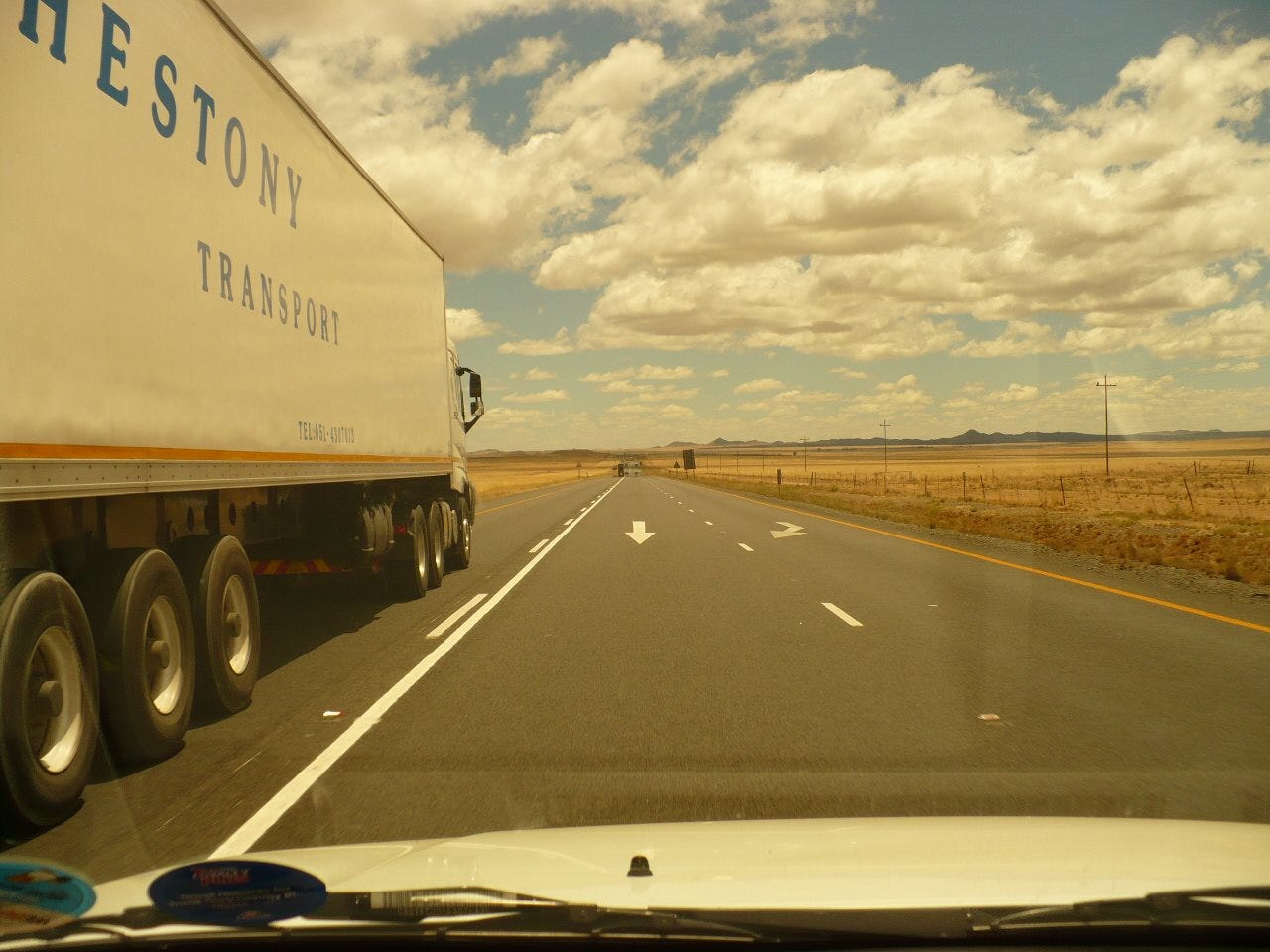
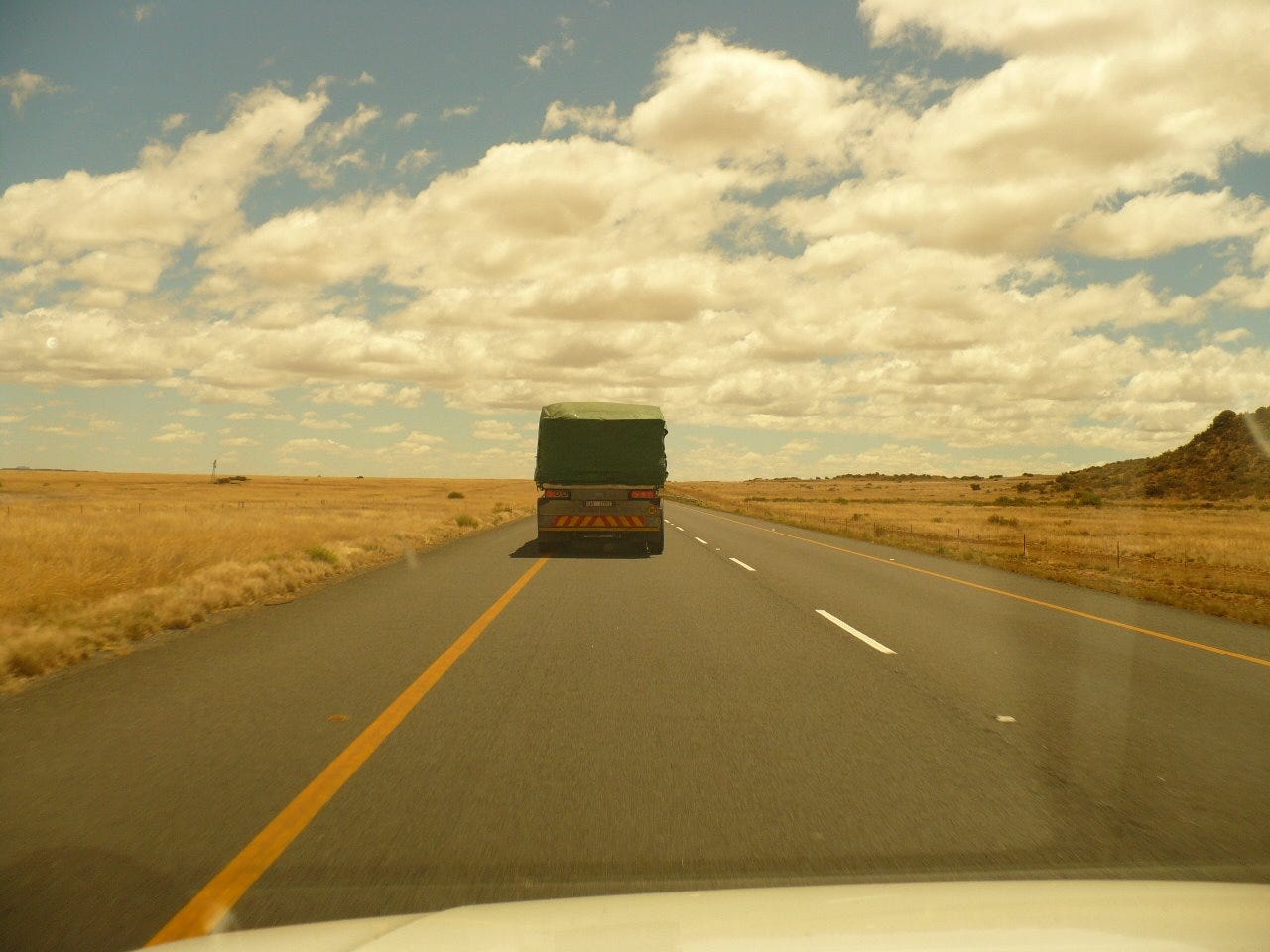
With the decline of the railway system and the rise of large freight trucks transporting goods, people moved away. The roads grew more dangerous. The main highway passing just outside Springfontein in the Free State is the N1.
I heard grisly stories of accidents. As poverty grew among the local population, people would do anything to make money.
A woman whose car had overturned between Bethulie and Springfontein was killed instantly. Her body was stripped of all possessions. Even the gold from her teeth had been removed. Such incidents happened regularly.
“If you have enough gold,” a resident told me, “you melt it down and sell it. You just open the mouth and, with pliers, pull out the teeth.”
On my first visit, the decay was already visible, yet there was still a layer of pride. My friend’s guesthouse had a traditional British interior. The fresh air, the silence, and that it could serve as an overnight stop for travellers between Johannesburg and Cape Town had drawn him here. He was a perfect host.
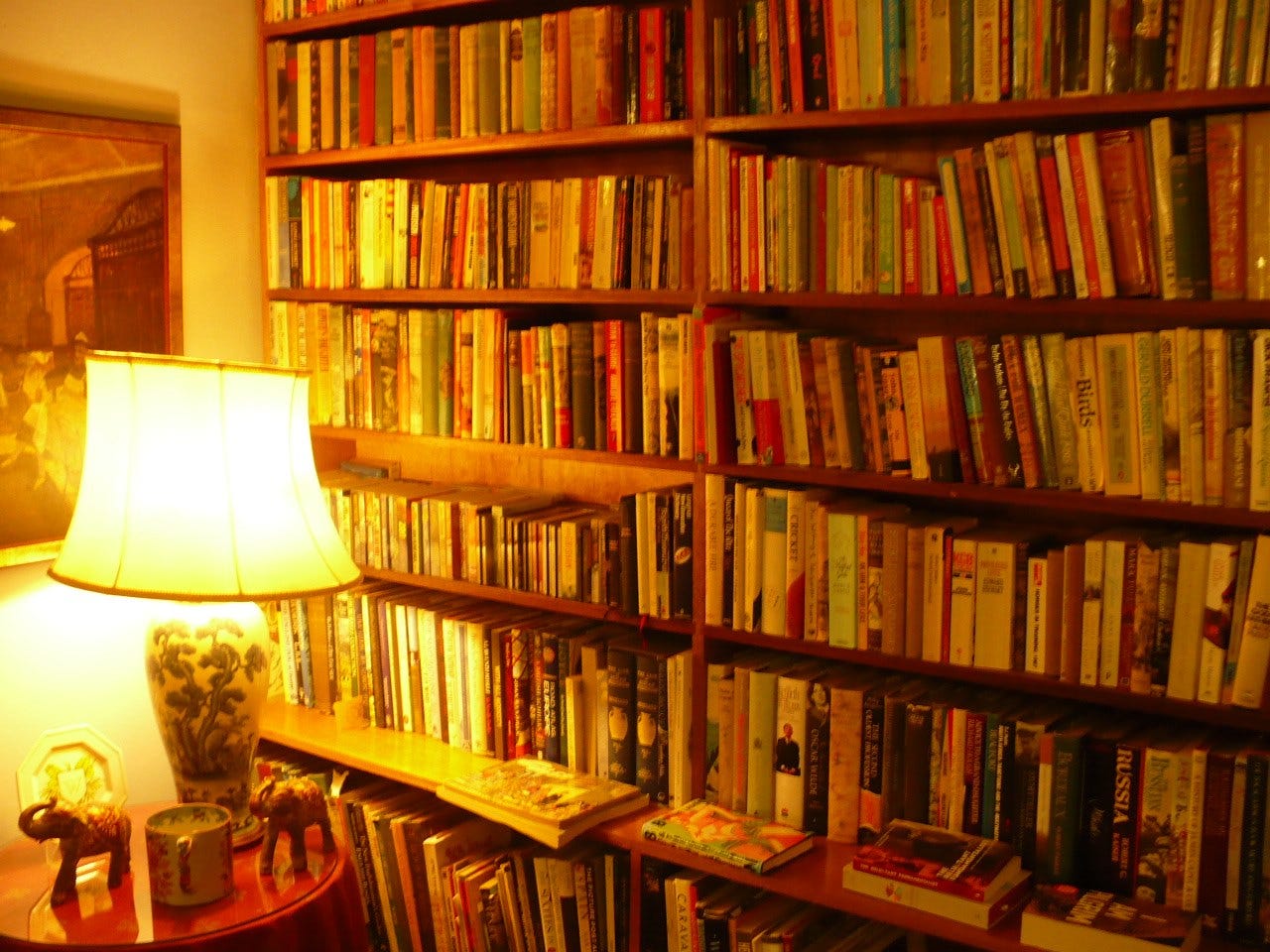
There was a large garden, a swimming pool, antique furniture, old artworks on the walls, a library with Victorian books and a menu featuring local soft lamb, among other dishes. He befriended farmers and their families and created jobs for residents in the township.
From 2009 to 2018, Ace Magashule was Premier of the Free State. Under him and his associates, once-proud towns fell into decay. The post office shut, also the hotel, and the bank. The one café had no fridge, the cool drinks were warm, the butchery had flies on its counter, with downtrodden women working with suspicious-looking meat.
One late afternoon, I drove past the petrol station and asked the owner where I could get a drink; as there were no pubs. The one shebeen, also had no fridge, the beers were warm.
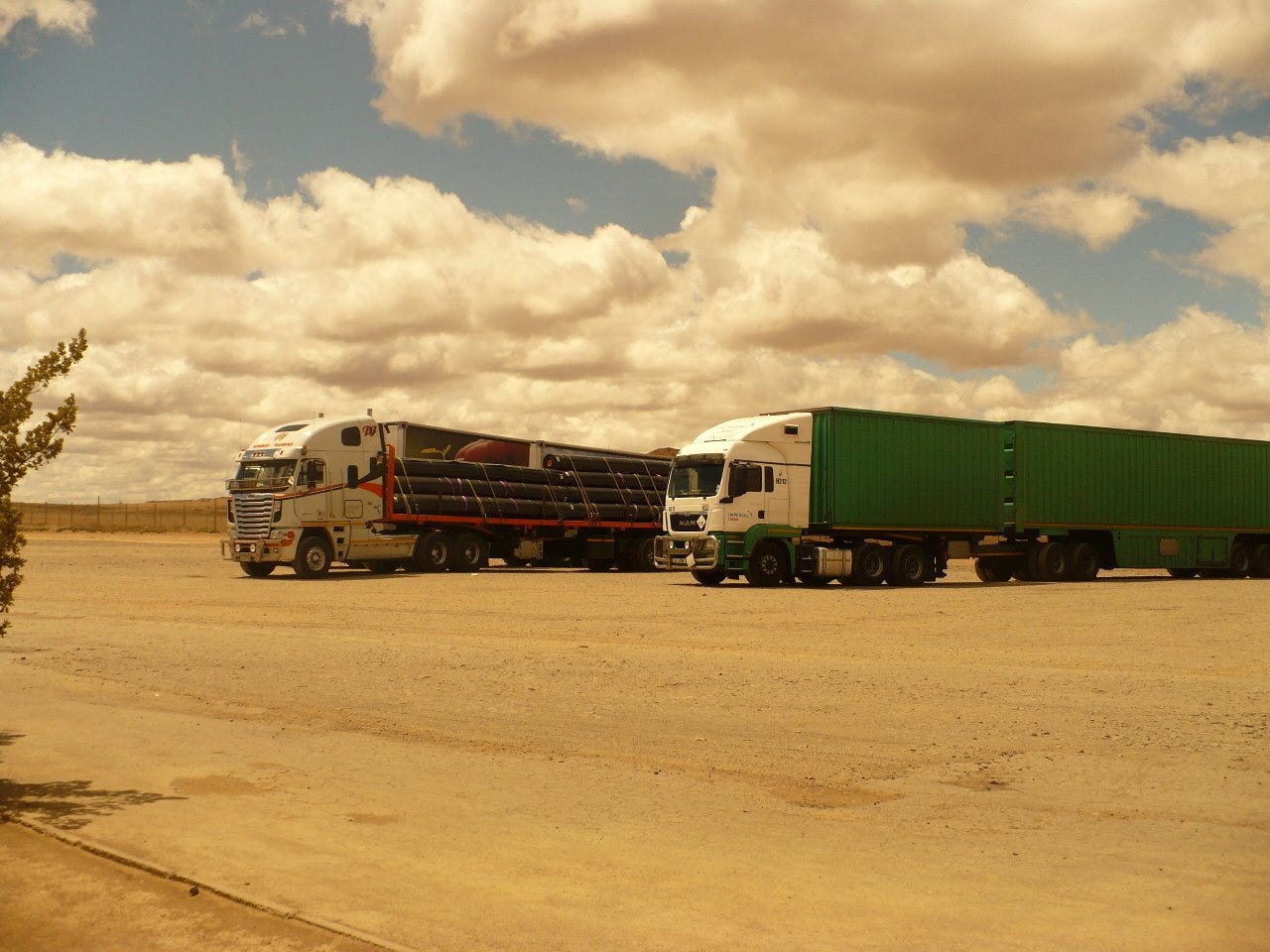
He pointed to a small house on a hill. At the garage, about fifteen large trucks were parked behind the station. The drivers rested there when tired. Images of Mad Max came to mind as I walked toward a twelve-wheeled monster, each wheel as large as a grand piano.
The afternoon smelled of petrol and rubber; I tasted it on my tongue. I climbed into my friend’s car and began the long drive to the house, far up a hill. My mouth craved a glass of cold wine.
Arriving, there was silence. I knocked. No answer. Just as I turned away, I heard the door creak open.
A young woman, wearing a hat and crooked red lipstick, opened the door. “I’m looking for wine,” I said.
“We’re actually closed, but come in.” I followed her to a lapa where there was a bar. There was no one else.
“We’re closing,” she said. Business was poor. Her day job was as a teacher at the primary school. Her parents would leave the village soon, but she would stay a while until she could find another job.
“To Bloemfontein,” she said. “This place ruined me.” A winter wind rattled the windows.
She drank with me, looking as if she were nursing sorrow with alcohol. Her name was Elizabeth, and she spoke of the primary school. The children were thin. Their parents had no work.
The only food they received was during the week at the school in the afternoon. “On Mondays, they’re rags. Don’t even mention holidays; I don’t want to think about it.”
Her tongue loosened. She was supposed to marry, but on her wedding day she stood outside the church. There, in a bakkie, her fiancé arrived, sitting beside him was another woman. And they drove off.
She changed the subject. The next morning, prayers would be said along the main road, for all the accidents that happen there. I must come. Opposite the petrol garage. The one that gleams at night like an Edward Hopper painting.
As I said goodbye, she grabbed my arm. “Come to the prayer service,” she said, “but run as fast as you can afterwards. This place isn’t for you.”
She watched me drive away. Staring at me, standing there on her own. I thought of Shakespeare’s words: “Sell when you can: you are not for all markets.” Run.
The following morning, I went to pray. There were black, white, and brown worshippers.
“Our Lord in heaven, guard this road,” began one woman. Her voice tinny in the pale air. “Protect us from death; protect the people who travel these roads.”
In the background, the huge Mad Max trucks roared past. Others prayed. Two teenagers, a boy and a girl, were asked to recite the Lord’s Prayer. They were as thin as petals and shivered.
“Our Father, who art in heaven, hallowed be Thy name; Thy kingdom come…” Their eyes were closed tight. They prayed in Afrikaans, the language sounding physical, melancholic, as if growing out of the ground as we stood there.
Each word came out slow and turned to fog, diluted, pale breath that hung in the air and drifted between them. I looked at the undernourished teenagers with their large eyes. Where was God, I wondered.
Two days later, four people died on the road, almost exactly where we had stood and prayed.
“For thine is the kingdom, and the power, and the glory, for ever and ever. Amen.”
One day, my friend asked if I could manage his guesthouse for a month. I could work from there and keep an eye on things.
It was summer, and the heat was unbearable. One of his dogs was killed by a snake. I felt I could be next. Then I thought: this is how I will die, alone in Springfontein, in a heatwave. Green hornets would come for me.
One day, the electricity failed across the entire town. It lasted three days. Luckily, there were no guests. I walked with candles through the dark house. Was there a generator? I can’t remember. It’s all like a distant dream.
Then the taps ran dry. I went to the café; all they had was warm Coke. Outside, about ten people watched me, pleading for me to buy them Cokes. They were thirsty.
I bought all the Cokes and kept two for myself. One night, three men awaiting murder charges escaped from the town cells. Everyone was afraid.
There was a man who had just bought a new Mercedes Benz. And a house for his wife. One night there was an explosion. The village shook.
In the morning I heard he had gone mad. He found his wife in bed with a man in the house he had built for her. He set the car on fire, it exploded. The man was never found again.
I went to have a look. There it was, the burnt-out wreck of a new car. A house with the curtains drawn. Right opposite the forlorn NG Kerk.
Walking through the town, I saw only empty houses, doors wide open, grass and weeds growing inside. The town pool was empty; the tennis courts stood decayed; the sports field was barren. At night, hordes of dogs barked and howled.
When I think back on Springfontein: blood on tarmac, warm Coke, gold pried from teeth, antique furniture in a house where the electricity fails for three days, dogs barking, a woman who teaches thin children and waits for a bus to Bloemfontein, a place that ruined her.
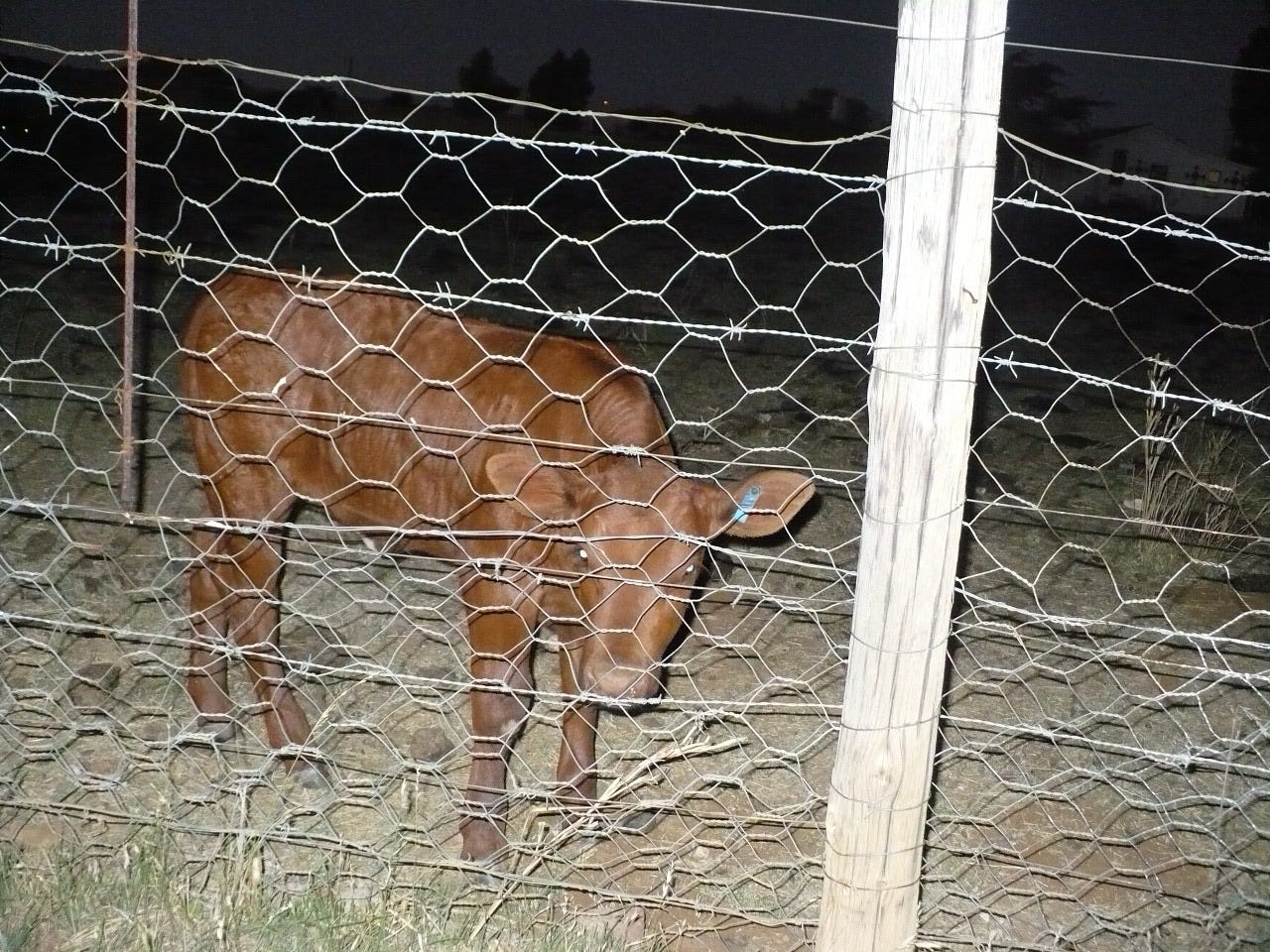
Yet, sifting between all these memories, trying to stay clear of sentimentality, my heart aches for the warmth of that guesthouse and my friend, the smell and sounds of the cows grazing next door, the earthy Afrikaans, the generosity of spirit of people who although they have nothing, continue to pray, even if those words turn to fog … and fade.
A wonderful piece, bleak and complete, full of longing for better things. Thank you, Herman.
I only know Springfontein as the home of the best lamb in the country
I presume the farms in the area still prosper
Sad that the town has died